Table of Contents
Everybody experiences pain in different ways. Your experience of grief and how you deal with it will depend on various variables. These may include your age, previous experiences with pain and your spiritual or spiritual views.
Anticipatory sorrow means feeling depressing before the loss takes place. Instead than grieving for the person, who is still with you, you may really feel despair for the important things you won't obtain to do with each other in the future. When facing a considerable loss, such as the fatality of a loved one, it is natural to feel lots of solid emotions.
This does not suggest you have actually provided up on the person or that you uncommitted for them. People diagnosed with an incurable ailment and those dealing with the fatality of an enjoyed one may experience awaiting grief. If you have been identified with an incurable disease, you may experience several feelings consisting of shock, fear and sadness.
How EMDR Operates for Complex Trauma
You regret lost chances or experiences you'll miss also small ones, such as the pleasure of the sunshine or a warm cup of coffee. If somebody you love is encountering a terminal ailment, it is typical to experience anticipatory despair in the months, weeks and days before fatality. You could regret the very same things your enjoyed one is grieving, or various losses entirely.
You might feel that the person you understood is currently gone, even if they are still literally there. If your liked one has a decrease in physical health and wellness or flexibility, you could really feel anticipatory pain as you shed the possibility to share experiences, such as pastimes, holidays or occasions.
This is particularly real if you spend a whole lot of time taking care of the individual. You might miss out on activities you made use of to enjoy with each other and really feel pain concerning the change in your relationship. The nature of your relationship might transform as you handle a carer's duty, or come to be the one being cared for.
Sensations of sorrow prior to fatality are typical it is necessary to recognise them, and to discuss them. Experiencing anticipatory despair does not always mean that you will certainly grieve your liked one any much less after they are gone. Carers of people who are terminally ill may become better to their liked one, making their sensations of pain after death a lot more extreme.
Gentle Self-Regard for Perfectionists
Lifeline provides assistance for people experiencing psychological distress. Past Blue offers info and support for individuals experiencing psychological health difficulties including grief. Griefline Call 1300 845 745 for assistance available to grownups matured 18 years and over. Mensline offers telephone and online coaching and support to males in Australia. Cancer Council supplies details and support to people with cancer cells and their loved ones.

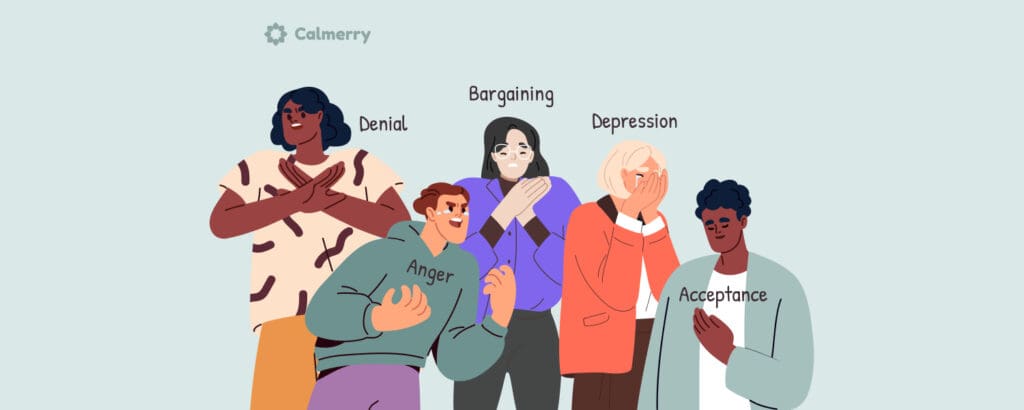
Individuals chat regarding the 5 stages of despair as: denial temper negotiating clinical depression acceptance. In truth, we do not experience sensations of grief one at a time or in a certain order. We recognize that there are no collection phases that every person goes through. You may experience these points due to the fact that they are all normal feelings of sorrow.
Some people really feel numb after the fatality of a person they cared about. If you experience this, it might be because it's simply also tough to believe that the individual you know so well is not coming back.
The Role of Body-Based Healing in PTSD Treatment
Possibly they guarantee themselves that they will now always do (or not do) something, thinking that it could make the individual who has passed away come back. People might also locate that they keep going back over the past and ask lots of 'what if' questions, wishing that they can go back and transform points so that they can have transformed out in a different way.
These feelings can be really extreme and agonizing, and they might reoccur over numerous months or years. A lot of individuals find that excruciating feelings like this become much less strong over time. If you do not feel this is the case for you, then you should ask for aid.
Her model ended up being commonly accepted as a way to understand pain, but in time, sorrow counsellors and scientists broadened upon it, bring about the advancement of the. This extensive design integrates added psychological feedbacks that people might experience: The first response to loss typically brings shock and shock. This phase serves as a safety mechanism, enabling us to absorb the truth of our loss in manageable dosages.
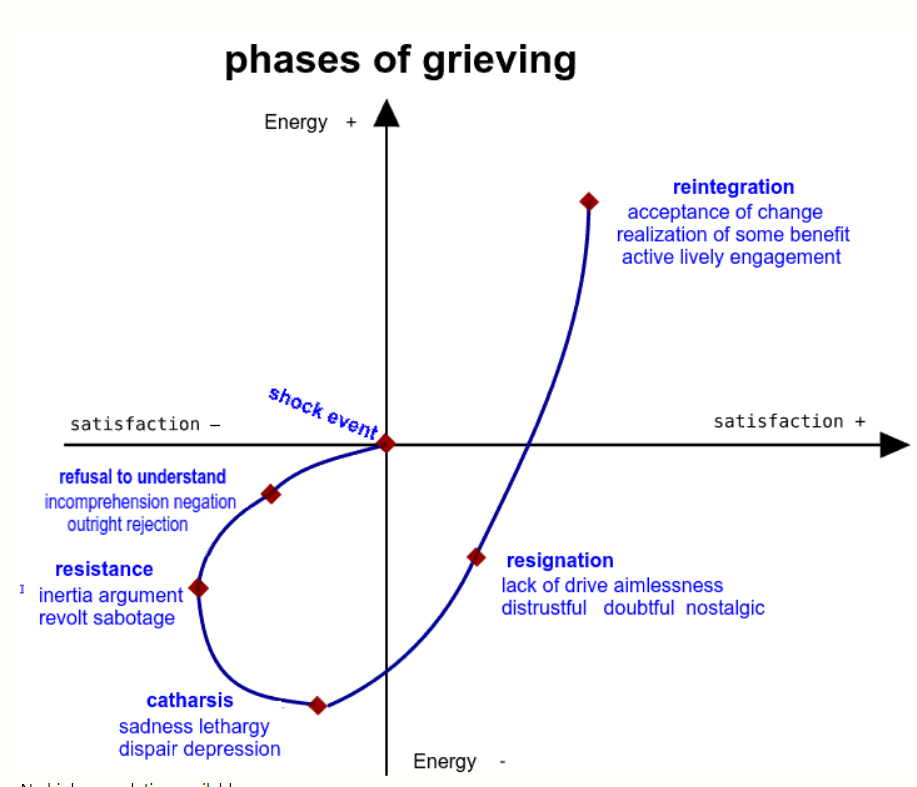
Sensations of remorse or sense of guilt might arisewondering if you might have done something differently, or sensation sorrow over things left unsaid. Grief can materialize as angertoward yourself, others, or also the person who has actually passed.

Navigation
Latest Posts
The Research Validating Eye Movement Desensitization and Reprocessing for Transformation
CBT for OCD in Roseville, CA
Identifying Anxiety in Young Kids